The Art of Food Presentation: Elevating Your Culinary Creations in 2026
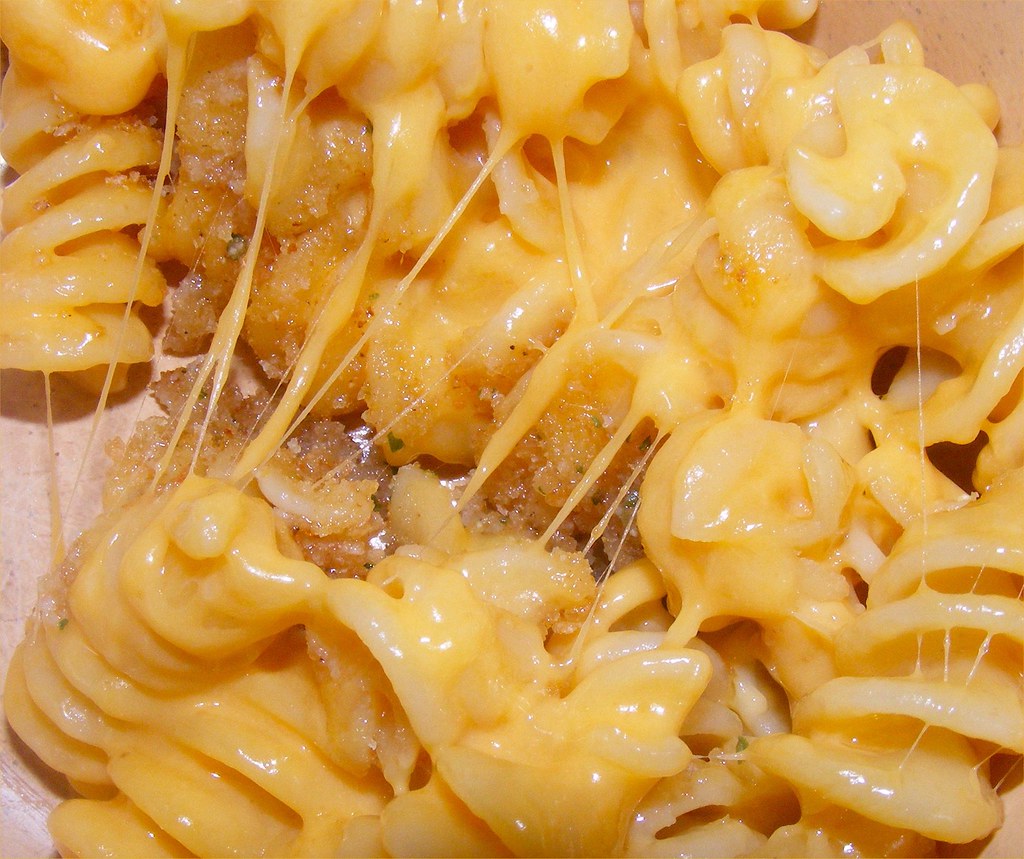
The Importance of Food Presentation
In the world of gastronomy, taste is undoubtedly essential, but the visual appeal of a plate can elevate a dining experience to unprecedented heights. As we delve into 2026, the art of food presentation has become a critical aspect of culinary creativity, combining aesthetics with flavor to create memorable meals. A beautifully presented dish can tantalize the senses even before the first bite.
Why Presentation Matters
Food presentation serves several purposes:
- Visual Appeal: A well-presented dish draws the eye and engages diners, making the meal more enjoyable.
- First Impressions: The initial look of food can influence perception of taste and quality.
- Dining Experience: The overall experience of dining is enhanced with visually stimulating plates, making meals feel special.
- Social Media Sharing: In a digitally connected world, visually appealing food is often shared on platforms like Instagram, helping to spread culinary creativity.
Trends in Food Presentation for 2026
As we explore the current trends in food presentation, several key themes are emerging in 2026:
1. Minimalism
Simplistic designs are gaining popularity, focusing on clean lines and uncluttered plates. This approach allows the natural beauty of ingredients to shine through, emphasizing quality over quantity.
2. Nature-Inspired Elements
Incorporating natural elements such as stones, wood, and edible flowers not only enhances aesthetics but also serves to connect the dining experience with nature. This trend aims to evoke feelings of tranquility and authenticity.
3. Bold Colors
Vibrant colors are becoming a hallmark of food presentation in 2026. Chefs are increasingly experimenting with colorful ingredients, such as heirloom vegetables, microgreens, and edible flowers, to create eye-catching dishes.
4. Interactive Plating
Creating a dining experience that involves the diner is a rising trend. This can be achieved through elements like self-assembling tacos or build-your-own bowls, adding a layer of engagement and fun to the meal.
Techniques for Stunning Food Presentation
To master the art of food presentation, consider these practical techniques:
1. Use of Color
Contrast is key. Pair bright ingredients with darker ones to create visual intrigue. The use of contrasting colors can make a dish pop. Also read: WAK89 for more insights.
2. Layering
Layering ingredients adds depth and dimension to a plate. Stack elements vertically or create a tower of flavors to engage the eye.
3. The Rule of Thirds
This photography principle can also apply to plating. Imagine your plate divided into three sections, and arrange components in a way that draws the eye across the dish.
4. Garnishing
Thoughtfully chosen garnishes can enhance flavor while adding visual flair. Consider fresh herbs, zests, or drizzles of sauces to finish the dish.
Case Studies: Restaurants Leading the Way
Several restaurants in 2026 are known for their exceptional food presentation and have set the standard for culinary aesthetics:
1. Chef’s Palette
This establishment focuses on seasonal, local ingredients, presenting each dish as a work of art with a commitment to minimalism and natural elements.
2. Bloom & Bites
Known for its use of vibrant, garden-fresh ingredients, Bloom & Bites creates visually striking meals that are perfect for social media sharing, maintaining an engaging dining atmosphere.
3. The Culinary Canvas
A pioneer in interactive plating, this restaurant invites diners to participate in the creation of their meals, ensuring that the experience is as enjoyable as the food itself.
Conclusion: The Future of Food Presentation
In 2026, the art of food presentation continues to evolve, reflecting broader culinary trends and innovations. As chefs experiment with new techniques and aesthetics, the focus remains on creating an experience that tantalizes all the senses. Whether you are a professional chef or a home cook, embracing the art of presentation can transform how your dishes are perceived and enjoyed.