Exploring the World of Culinary Fusion: Blending Cultures Through Food in 2026
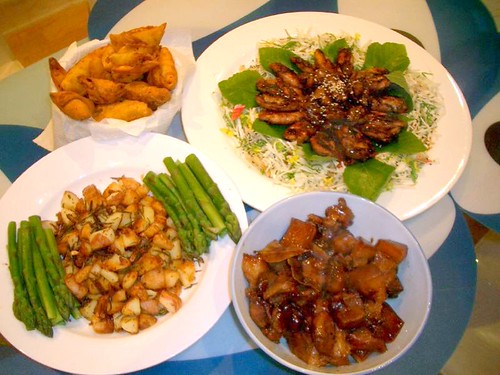
Introduction to Culinary Fusion
In the ever-evolving world of food, culinary fusion has emerged as a delightful trend that celebrates the melding of different cultural flavors and cooking techniques. As we navigate through 2026, this trend continues to gain momentum, appealing to adventurous eaters who crave innovation and diversity on their plates.
The Rise of Culinary Fusion
Culinary fusion refers to the blending of various culinary traditions, ingredients, and techniques to create innovative dishes that reflect a global palate. This trend is rooted in the idea that food has the power to bring people together, allowing chefs to experiment with flavors and presentations that honor their cultural backgrounds while introducing new dimensions to traditional recipes.
Reasons Behind the Popularity
Several factors contribute to the rise of culinary fusion:
- Globalization: With the world becoming more interconnected, access to diverse ingredients and cuisines is easier than ever.
- Travel and Experience: As people explore new cultures, they bring back culinary experiences that influence their cooking.
- Social Media Influence: Platforms like Instagram and TikTok enable chefs to showcase their creative dishes to a global audience.
- Health Consciousness: Many fusion dishes incorporate healthier ingredients, appealing to the growing trend of wellness in food.
Noteworthy Fusion Dishes in 2026
Culinary fusion is not just about combining flavors; it’s about respect for the traditions and techniques that inspire new creations. In 2026, several fusion dishes are stealing the spotlight:
- Asian-Mexican Tacos: Infusing traditional taco recipes with Asian flavors, such as kimchi and bulgogi, creates a unique culinary experience.
- Italian-Indian Pizza: Consider topping your pizza with paneer, tikka masala, or spicy chutneys for a flavorful twist.
- Middle Eastern-Cajun Gumbo: Mixing spices from both regions results in a robust and aromatic stew that tells a story of cultural exchange.
- French-Japanese Desserts: From matcha macarons to yuzu crème brûlée, the blending of these two culinary arts results in visually stunning and deliciously innovative treats.
Community and Food Fusion
Culinary fusion also fosters community and a sense of belonging. Many fusion restaurants are popping up, offering dishes that reflect the diverse backgrounds of their chefs and patrons. These spaces often serve as cultural hubs where food lovers can come together to enjoy and celebrate different cuisines.
How to Experiment with Fusion Cooking at Home
If you’re inspired to try your hand at culinary fusion in your own kitchen, here are some tips:
- Start Small: Choose two cuisines you love and explore ways to blend their flavors. For example, try adding Asian spices to your traditional Italian pasta sauce.
- Use Fresh Ingredients: Look for seasonal and local ingredients to ensure your fusion dishes are vibrant and full of flavor.
- Be Creative: Don’t be afraid to break the rules. Use your taste buds as a guide and enjoy the process of discovery.
- Incorporate Cooking Techniques: Experiment with cooking methods from different culinary traditions, such as stir-frying, roasting, or fermenting.
Challenges in Culinary Fusion
While culinary fusion offers exciting opportunities, it also comes with challenges:
- Cultural Sensitivity: It’s crucial to respect the origins and cultural significance of the ingredients and techniques being used.
- Balancing Flavors: Striking the right balance between different flavor profiles can be difficult. It requires practice and an understanding of how various ingredients interact.
- Market Acceptance: Some diners may be resistant to trying unfamiliar combinations. Educating patrons about the inspirations behind fusion dishes can enhance their dining experience.
The Future of Culinary Fusion
As we look ahead, the world of culinary fusion is set to expand even further. Chefs will continue to push boundaries, experimenting with ingredients and techniques that not only satisfy the taste buds but also tell a story. This trend will likely evolve alongside societal changes, reflecting an increasingly globalized and interconnected world.
Conclusion
Culinary fusion is a celebration of diversity, creativity, and cultural exchange. As we embrace the flavors of 2026, let’s keep exploring and discovering new combinations that connect us through the universal language of food.