Decoding the Palate: Understanding Flavor Profiles in the Modern Culinary Landscape
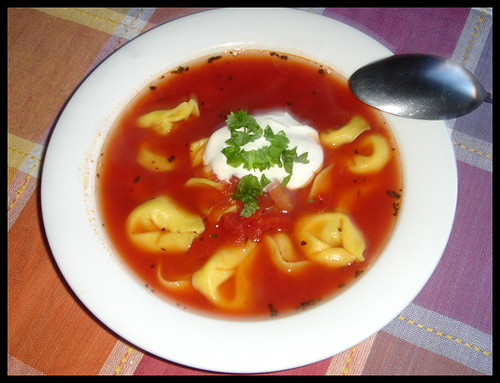
Understanding Flavor Profiles
In the ever-evolving world of food, understanding flavor profiles is key to creating memorable culinary experiences. A flavor profile encompasses the complex interplay of taste, aroma, and texture that makes food enjoyable. In 2026, chefs and home cooks alike are embracing an array of ingredients, drawing from different culinary traditions and science to elevate their dishes.
The Foundation of Flavor: Basic Tastes
To decode flavor profiles, one must first understand the basic tastes:
- Sweet: Often derived from sugars and natural sweeteners, sweet flavors are comforting and familiar.
- Salty: A fundamental taste that enhances and balances other flavors, often sourced from salts and brined ingredients.
- Sour: This taste adds brightness and acidity, typically coming from citrus, vinegar, or fermented foods.
- Bitter: Commonly found in coffee, dark chocolate, and leafy greens, bitterness provides depth and complexity.
- Umami: The savory taste that is often found in meats, mushrooms, and aged cheeses, umami adds a rich and satisfying quality to dishes.
The Role of Aroma and Texture
While basic tastes are crucial, aroma and texture play equally significant roles in creating a successful dish. The sense of smell is deeply intertwined with flavor perception, which is why aromatic herbs and spices can dramatically enhance the enjoyment of food.
Texture, on the other hand, impacts how flavors are perceived. A crunchy, crispy texture can elevate a dish by adding contrast to creamy or soft elements. As culinary experimentation rises in popularity, chefs are increasingly focusing on both aroma and texture to create multisensory experiences.
Layering Flavors: The Art of Combination
One of the most exciting aspects of cooking is the ability to layer flavors effectively. Here are some tips for achieving harmonious blends:
- Start Simple: Begin with a few key ingredients that complement each other before adding more layers.
- Balance: Ensure that no single flavor overpowers the others. Aim for a balance of sweet, salty, sour, bitter, and umami.
- Contrast: Utilize contrasting flavors and textures to keep the palate engaged. A sweet sauce on a savory dish can create an exciting experience.
- Season Gradually: Taste as you go and adjust seasonings throughout the cooking process. This approach allows for better control over the final flavor profile.
The Influence of Global Cuisines
The global culinary landscape of 2026 is a melting pot of flavors and techniques. Chefs are increasingly inspired by international cuisines, leading to innovative combinations and reinventions of traditional dishes.
Here are some flavor influences worth noting:
- Asian Ingredients: The use of miso, soy sauce, and various spices from Southeast Asian cuisines has surged, adding depth to sauces and marinades.
- Middle Eastern Spices: Ingredients like za’atar, sumac, and harissa are being integrated into a variety of dishes, bringing vibrant flavors to the forefront.
- Latin American Elements: From smoky chipotle to zesty lime, Latin American flavors are enriching contemporary cuisine.
Embracing Fusion Cuisine
Fusion cuisine continues to thrive, as chefs merge different culinary traditions to create unique flavor profiles. This approach encourages creativity and exploration in the kitchen. Examples include:
- Chili-infused Chocolate: Pairing the sweetness of chocolate with the heat of chili for a decadent dessert.
- Kimchi Tacos: Combining traditional Korean kimchi with Mexican tacos for a fresh take on street food.
- Sushi Burritos: A fusion of sushi and burritos, offering a portable and exciting culinary experience.
Health-Conscious Flavor Enhancements
As we move further into 2026, there is a heightened awareness of health and wellness in food choices. Consumers are seeking flavors that not only taste good but also offer health benefits. Here are a few trends:
- Herbs and Spices: Beyond their flavor contributions, herbs and spices like turmeric and ginger are known for their anti-inflammatory properties.
- Plant-Based Options: A rise in plant-based eating encourages innovative use of legumes, vegetables, and grains to create flavorful dishes.
- Functional Foods: Ingredients that provide specific health benefits, such as adaptogens and prebiotics, are becoming more mainstream, enhancing both flavor and wellness.
Culinary Inspiration for Home Cooks
For those cooking at home, drawing inspiration from flavor profiles can lead to delightful culinary creations. Here are a few tips to explore at home:
- Experiment: Don’t be afraid to try new flavor combinations. Use seasonal ingredients to inspire your dishes.
- Learn from Others: Watch cooking shows or follow food blogs to discover how different chefs approach flavor.
- Keep a Flavor Journal: Document your flavor experiments, noting what worked and what didn’t. This will help refine your palate over time.
Conclusion: A Flavorful Future
As we explore the culinary landscape of 2026, understanding flavor profiles will continue to enhance our cooking experiences. Whether you are a professional chef or a home cook, embracing the complexity of flavors will lead to memorable dishes that bring joy to the table. Get ready to savor a world of taste!