Culinary Trends of 2026: A Dive into Flavor and Experience
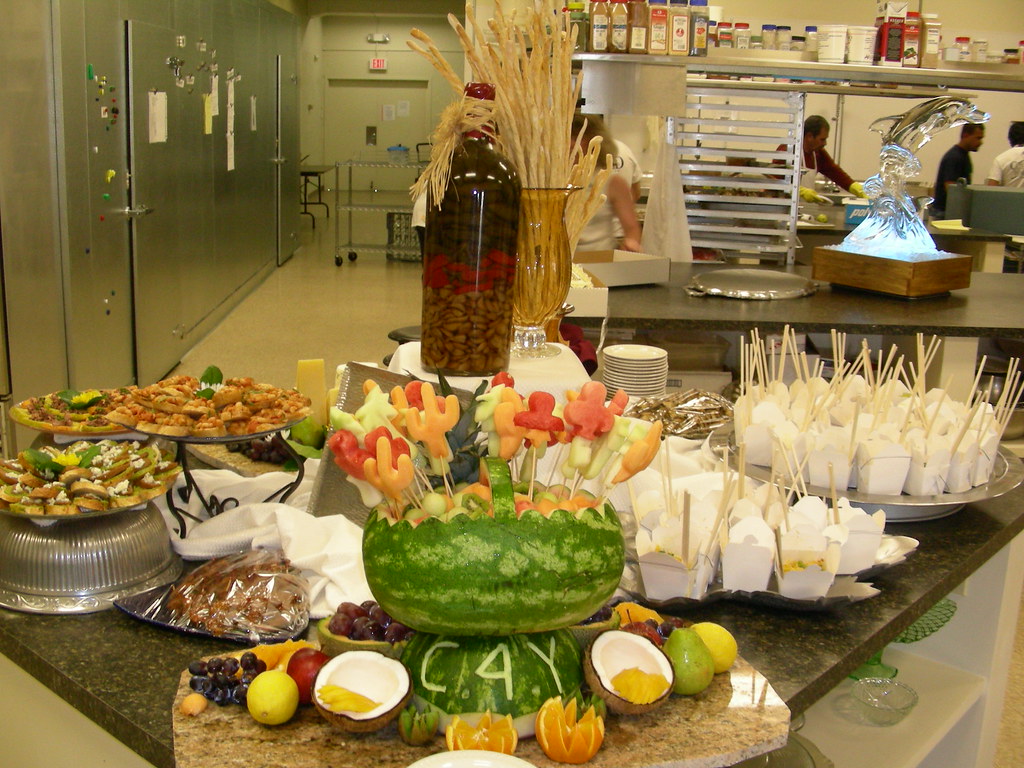
Introduction to the Culinary Trends of 2026
As we navigate through 2026, the food landscape is evolving in exciting and diverse ways. Culinary trends reflect not only our preferences but also our growing awareness of health, sustainability, and cultural appreciation. In this article, we’ll explore various culinary trends that are making waves this year, focusing on flavor, experience, and community.
1. Flavor Diversity in Global Cuisines
In 2026, the appreciation for diverse flavors from around the world continues to grow. Food enthusiasts are increasingly seeking authentic experiences through unique culinary traditions, which has led to a rich tapestry of flavors being explored.
Regional Authenticity
Chefs are now emphasizing the authenticity of regional dishes. By showcasing local ingredients and traditional methods, they create a deeper connection to the cultural backgrounds of their culinary creations. This trend promotes not only the food itself but also the stories behind them.
- Authentic Thai Curries: Using fresh herbs and spices directly sourced from local markets.
- Italian Nonna Cooking: Reviving age-old recipes passed down through generations.
- Mexican Street Food: Emphasizing traditional techniques with locally sourced ingredients.
2. The Influence of Health-Conscious Eating
Health consciousness continues to shape our food choices in 2026. With a focus on nutritional value, people are now more discerning about what they eat.
Functional Foods Rise
Functional foods, which offer health benefits beyond basic nutrition, are gaining ground. These foods often include:
- Adaptogens: Ingredients like ashwagandha and reishi mushroom are celebrated for their stress-relieving properties.
- Probiotics: Found in fermented foods like kombucha and kimchi, promoting gut health.
- Superfoods: Ingredients like spirulina and quinoa that offer high nutritional value.
3. Culinary Experiences: Beyond the Plate
In 2026, dining is not just about eating; it’s about the entire experience. Restaurants are creating immersive environments that engage all the senses.
Interactive Dining
Restaurants are introducing interactive dining experiences where customers can participate in the food preparation process:
- Cooking Classes: Offering hands-on sessions led by chefs.
- Chef’s Table: Creating a personalized menu in front of guests.
- Food Tours: Guiding diners through multi-course meals that tell a story.
4. Sustainable Sourcing and Environmental Consciousness
Sustainability is more than a trend; it’s a necessity for the future of food. In 2026, sustainable sourcing has become a fundamental practice for many consumers and chefs.
Locally Sourced Ingredients
Many restaurants are opting for local produce to reduce their carbon footprint and support nearby farms. This shift not only ensures freshness but also strengthens community ties.
- Community Supported Agriculture (CSA): Partnering with local farms to bring seasonal produce.
- Farm-to-Table Concepts: Showcasing transparency in sourcing practices.
5. Fusion with a Purpose
Culinary fusion remains popular but has evolved to focus on purpose rather than mere experimentation. In 2026, fusion cuisine celebrates the blending of cultures while respecting culinary heritage.
Mindful Fusion
Chefs are carefully considering how to blend flavors from different cultures:
- Asian-Latin Fusion: Dishes like sushi burritos and kimchi tacos bridge cultures with respect.
- Middle Eastern-Mediterranean Fusion: Combining flavors such as za’atar with traditional Greek dishes.
Conclusion: The Future of Food in 2026
The culinary trends of 2026 are a testament to our evolving relationship with food. With an emphasis on authenticity, health, experience, sustainability, and mindful fusion, we are crafting a food culture that is richer and more inclusive than ever before. As we continue to explore these trends, it’s essential to appreciate the flavors, stories, and communities that shape our dining experiences.