Culinary Tourism: A Journey Through Flavor in 2026
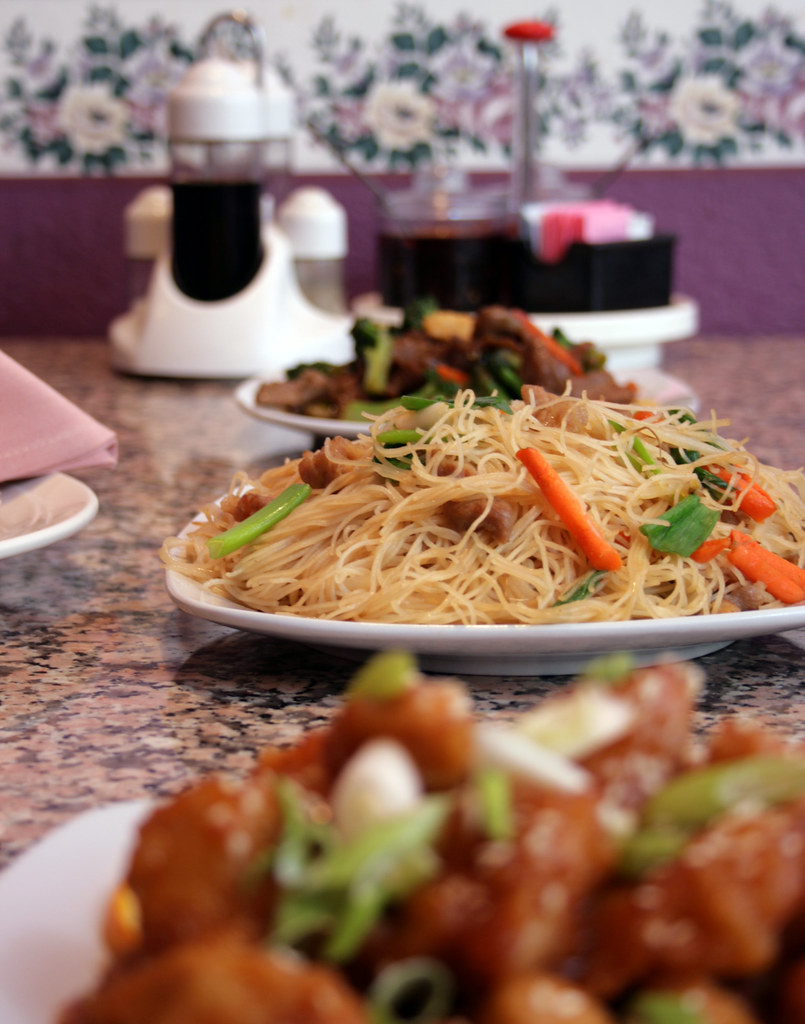
Introduction to Culinary Tourism
In 2026, culinary tourism has emerged as a vibrant way for food enthusiasts to explore and indulge in diverse flavors from around the globe. Traveling for food is no longer simply about tasting local dishes; it’s about experiencing culture, tradition, and community through cuisine. In this article, we will explore the rise of culinary tourism, highlight unique destinations, discuss immersive experiences, and provide tips for the discerning food traveler.
The Rise of Culinary Tourism
Culinary tourism has gained momentum as travelers seek authentic experiences that go beyond traditional sightseeing. This trend reflects a growing appreciation for food as a key element of cultural identity. According to recent reports, over 60% of travelers in 2026 consider food and drink as a primary factor in choosing their travel destinations.
Why Culinary Tourism is Thriving
- Cultural Exchange: Food is a universal language, allowing travelers to engage in and share cultural practices.
- Local Ingredients: A focus on fresh, local produce enhances the travel experience, connecting visitors with the regions they explore.
- Social Media Influence: Platforms like Instagram and TikTok have amplified the visibility of unique dishes and dining experiences, sparking interest in culinary travel.
- Health and Wellness: With a growing focus on nutrition, travelers are seeking culinary experiences that promote well-being through healthy eating.
Unique Culinary Destinations in 2026
Numerous locations around the world have become culinary hotspots, offering travelers unique tastes and experiences. Here are some must-visit destinations:
1. Mexico City, Mexico
Mexico City continues to be a top destination for foodies, showcasing rich culinary traditions. From street tacos to high-end dining experiences, the city is a treasure trove of flavors. Local markets are a must-visit, offering fresh produce and traditional ingredients.
2. Kyoto, Japan
Known for its serene beauty and historical significance, Kyoto also offers an unforgettable culinary journey. Travelers can enjoy kaiseki, a traditional multi-course meal, while exploring the city’s temples and gardens.
3. Barcelona, Spain
Barcelona’s vibrant food scene combines Catalan tradition with modern gastronomy. Tapas tours and cooking classes are popular, allowing visitors to engage directly with local culinary experts.
4. Lima, Peru
A rising star in the culinary world, Lima is home to innovative chefs who elevate Peruvian cuisine. With its diverse ingredients, local ceviche and fusion dishes are essential for any traveler. Also read: wak89 for more insights.
Immersive Culinary Experiences
To truly appreciate food culture, participating in immersive experiences is essential. Here are some popular options:
Cooking Classes
Hands-on cooking classes allow travelers to learn about local ingredients and cooking techniques. These classes often take place in home kitchens, enhancing the authenticity of the experience.
Food Tours
Guided food tours offer an organized way to explore a city’s culinary scene, often including tastings at multiple locations. This is a great way to discover hidden gems and iconic establishments.
Farm-to-Table Experiences
Engaging directly with local farmers provides insight into sustainable practices and the journey of food from farm to plate. Many regions offer farm tours that culminate in a meal crafted from fresh produce.
Tips for the Culinary Traveler
To make the most of your culinary tourism experience in 2026, consider these helpful tips:
- Research Local Cuisine: Familiarize yourself with the local dishes and ingredients before you arrive. Knowing what to expect can enhance your experience.
- Be Open-Minded: Embrace new flavors and culinary traditions. Trying unfamiliar dishes can lead to delightful surprises.
- Ask Locals for Recommendations: Locals can provide the best insights into where to eat and what to try, often revealing hidden gems away from the tourist path.
- Document Your Journey: Capture your culinary explorations through photos or a travel journal to remember the flavors and experiences.
Conclusion
Culinary tourism in 2026 is more than just eating; it’s about connecting with cultures, savoring the diversity of flavors, and creating lasting memories. As you plan your next culinary adventure, remember to engage with the local community, honor their traditions, and most importantly, enjoy the delicious journey of taste!