The Art of Home Fermentation: A Journey into Flavor and Health
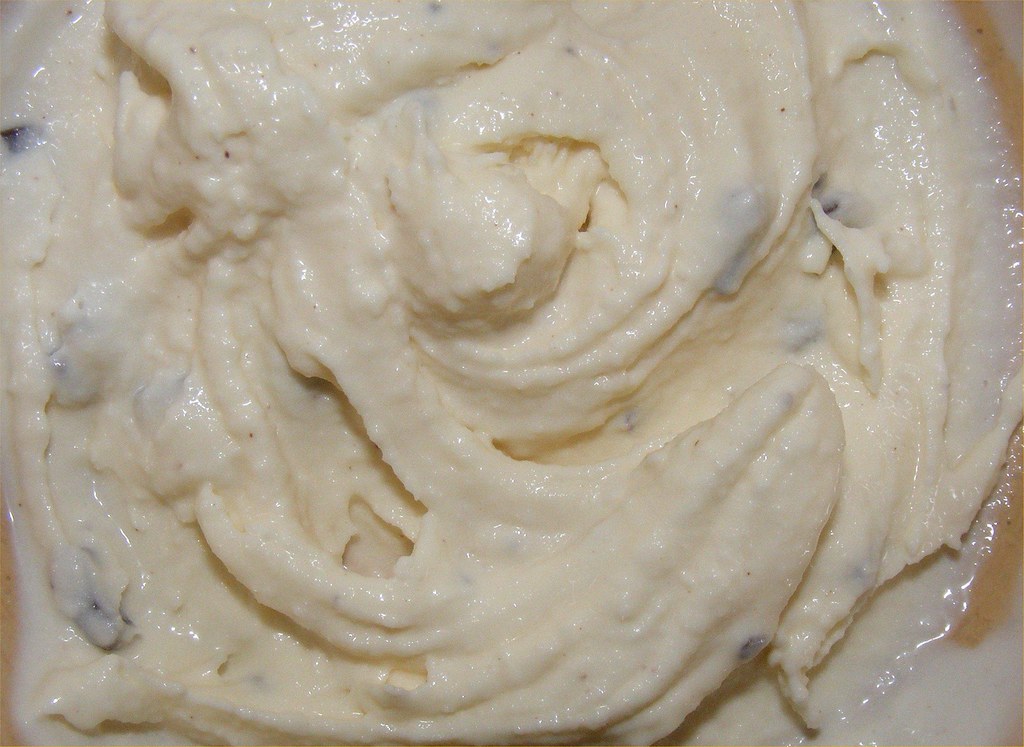
The Rise of Home Fermentation
As we dive into 2026, home fermentation has emerged as a trending movement in the food scene. With an increasing number of people seeking healthier lifestyles and unique flavors, the process of fermenting food at home is becoming a beloved culinary practice. This article explores the art of home fermentation, its health benefits, and how you can start your own fermentation journey.
What is Fermentation?
Fermentation is a natural process where microorganisms like bacteria and yeast convert sugars into acids or alcohol. This ancient technique not only preserves food but also enhances its nutritional value and flavor profile. Popular fermented foods include:
- Kimchi – A spicy Korean side dish made from fermented vegetables.
- Sauerkraut – Fermented cabbage that adds a tangy crunch to dishes.
- Kefir – A probiotic-rich drink made from fermented milk.
- Tempeh – A fermented soybean product packed with protein.
Health Benefits of Fermented Foods
In recent years, scientific research has increasingly highlighted the many health benefits of incorporating fermented foods into our diets. Here are some key advantages:
- Improved Digestive Health: Fermented foods are rich in probiotics, beneficial bacteria that support gut health and digestion.
- Enhanced Nutrient Absorption: Fermentation can break down compounds that inhibit nutrient absorption, making vitamins and minerals more bioavailable.
- Boosted Immune System: A healthy gut microbiome is linked to a stronger immune system, which can help protect against illnesses.
- Mood Regulation: Recent studies suggest a connection between gut health and mental well-being, with fermented foods potentially playing a role in mood stabilization.
Getting Started with Home Fermentation
Embarking on a home fermentation journey can be both exciting and rewarding. Here’s how to start:
1. Choose Your Fermented Food
Begin with a type of fermented food that interests you. Popular choices for beginners include:
- Kraut and pickles
- Sourdough bread
- Kefir or yogurt
- Fermented fruits, like pineapple tepache
2. Gather Your Ingredients and Equipment
Most fermented foods require simple ingredients and basic equipment:
- Fresh vegetables or fruits
- Salt (preferably non-iodized)
- Water (filter or spring is best)
- Glass jars or fermentation crocks
- Weights to keep food submerged
3. Follow a Reliable Recipe
For your first fermentation project, follow a tried-and-true recipe. There are numerous resources available online, from food blogs to YouTube channels. Also read: ajo89 for more insights.
4. Monitor the Fermentation Process
Keep an eye on your food as it ferments. Depending on the temperature and ingredients, the process can take anywhere from a few days to several weeks. Taste regularly to find your preferred level of fermentation.
5. Store Your Fermented Creation
Once fermentation reaches your desired taste, transfer your creation to the fridge to slow down the fermentation process, preserving the flavors you love.
Common Mistakes to Avoid
While fermentation is relatively straightforward, beginners often encounter a few common pitfalls. Here’s how to avoid them:
- Using the Wrong Salt: Always opt for non-iodized salt; iodine can inhibit fermentation.
- Not Enough Salt: Salt helps create an environment for good bacteria to thrive while keeping harmful bacteria at bay.
- Ignoring Temperature: Keep your ferments in a cool, dark place; extreme heat or cold can disrupt the fermentation process.
- Forgetting to Taste: Regularly tasting your ferment allows you to catch any issues early and achieve the flavor profile you enjoy.
Exploring Beyond Traditional Ferments
While classics like kimchi and sauerkraut are excellent starting points, the world of fermentation offers endless possibilities. Here are some creative ideas to experiment with:
- Fruit Ferments: Try fermenting fruits like mango or cherries for a tangy twist in your desserts.
- Fermented Hot Sauce: Create your own spicy concoction using peppers and garlic.
- Fermented Nut Cheese: Blend soaked nuts with probiotics for a creamy, dairy-free cheese alternative.
- Mocktails with Fermented Beverages: As the trend of fermented drinks continues, explore creating your own kombuchas or shrubs for unique cocktails.
Join the Fermentation Community
As you delve into the world of home fermentation, consider joining local workshops or online forums. These communities can provide support, inspiration, and troubleshooting advice. Social media platforms, particularly Instagram and TikTok, provide a wealth of visual inspiration through colorful fermentation projects and tips from experienced fermenters.
Conclusion
In 2026, home fermentation stands as a vibrant testament to creativity and health consciousness in the culinary world. As individuals take charge of their food through fermentation, they not only enhance their meals but also embrace a sustainable and healthful way of nourishing themselves. Whether you’re a kitchen novice or a seasoned cook, exploring fermentation could unlock new flavors and health benefits that enrich your culinary repertoire.