Culinary Storytelling: How Food Narratives Shape Our Dining Experience in 2026
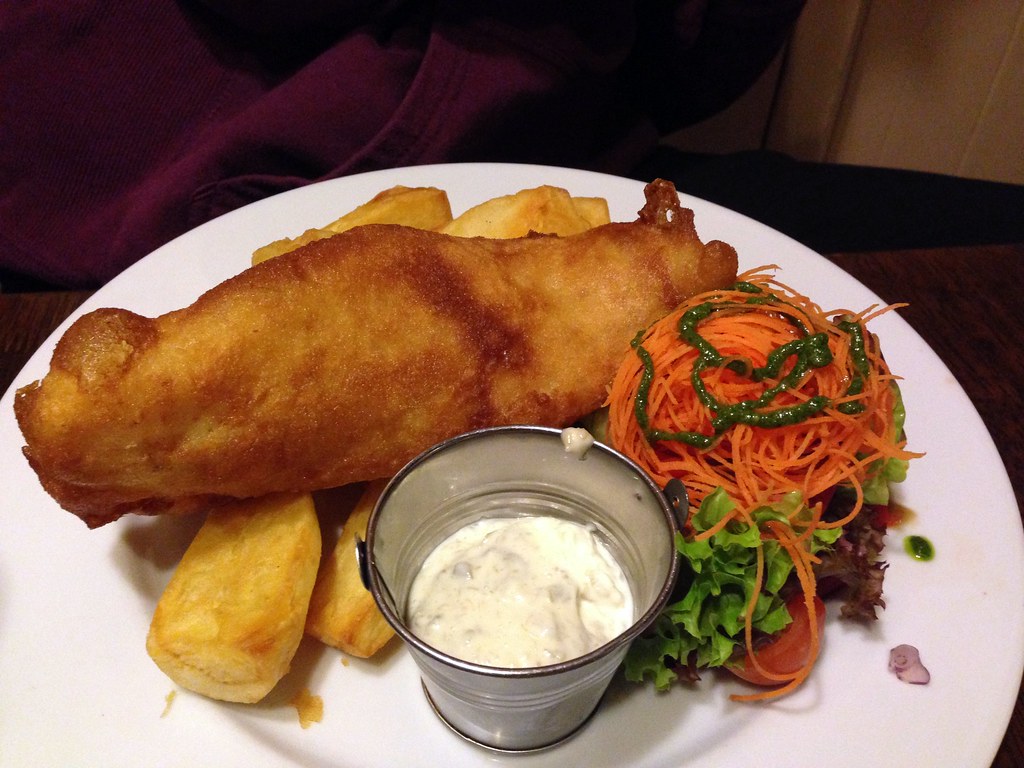
Culinary Storytelling: Unveiling the Narrative Behind Every Dish
In the ever-evolving world of food, the importance of storytelling is becoming increasingly significant. As we move into 2026, the culinary landscape is not just about flavors and ingredients; it’s about the stories behind them. Food has the power to evoke memories, create connections, and share cultural narratives that transcend generations.
The Power of Narrative in Food
Every dish tells a story, from the origin of its ingredients to the methods used in its preparation. Culinary storytelling has transformed meals into experiences, making them more memorable and meaningful. Here’s how food narratives are shaping our dining experiences:
- Connection to Culture: Each cuisine is steeped in history and tradition. Understanding the origins of a dish can deepen appreciation and enhance the dining experience. For example, dishes like paella from Spain or pho from Vietnam are often accompanied by rich stories that highlight their significance in cultural practices.
- Personal Experience: Many chefs and home cooks now share personal anecdotes related to their recipes. This adds a layer of authenticity that resonates with diners. When someone hears about a dish that was a family favorite, it invokes a sense of nostalgia and personal connection.
- Social Media Influence: With platforms like Instagram and TikTok, culinary storytelling has found a new home. Users share not just images of food, but also the narratives that accompany those meals, which can inspire others to recreate or seek out similar experiences.
How Restaurants Use Storytelling
Restaurants are increasingly incorporating storytelling into their branding and menu offerings. Here are some strategies they use:
- Menu Descriptions: Instead of just listing ingredients, visionary chefs craft narrative descriptions that highlight the inspiration behind a dish. This not only educates diners but also enhances their overall experience.
- Ambiance and Décor: The décor of restaurants often reflects the stories they tell. For instance, a place that focuses on traditional Italian cuisine might feature rustic elements reminiscent of an Italian kitchen, enhancing the experience through visual storytelling.
- Interactive Experiences: Many establishments now create interactive dining experiences where chefs narrate the story of each dish as it is served, engaging diners in a multi-sensory journey.
The Role of Home Cooks
Home cooks are also embracing culinary storytelling, using social media and blogs to share their cooking adventures and the stories behind their family recipes.
- Recipe Blogs: Many food bloggers narrate their culinary journey through personal experiences, making their recipes relatable and inviting. This approach not only encourages others to try new dishes but also fosters a sense of community.
- Cooking Shows: Platforms like YouTube and streaming services have a plethora of cooking shows that incorporate storytelling, demonstrating how cooking can be a shared experience filled with history and emotion.
Food and Memory
Food has an unparalleled ability to evoke memories. In 2026, more people are recognizing this connection. Meals shared during family gatherings, celebrations, or even tough times can shape our relationships with food.
- Cultural Heritage: As people become more interested in their cultural roots, traditional recipes are being revived and shared. These meals often carry profound memories and stories that link generations.
- Personal Culinary Journeys: Many individuals are exploring their culinary identities and sharing their experiences with food through storytelling. This creates a richer narrative that speaks to the journey of self-discovery.
Future Trends in Culinary Storytelling
As we look to the future, culinary storytelling is expected to evolve even further. Here are some trends to watch for in the coming years:
- Virtual Reality Dining: Imagine being able to experience a meal in a virtual Italian villa while enjoying a classic pasta dish. VR technology has the potential to take culinary storytelling to a whole new level, immersing diners in the culture and history of their food.
- Augmented Reality Experiences: Restaurants could use augmented reality to enhance the dining experience by allowing customers to see visual stories about the ingredients and preparation methods of their meals.
- Food History Events: More culinary events will likely be themed around specific historical periods or cultural traditions, combining tastings with storytelling to deepen appreciation for different cuisines.
Conclusion
The narrative of food is a vital part of our culinary journey. As we embrace culinary storytelling in 2026, we open avenues for deeper connections to culture, history, and personal experiences. Whether dining out or cooking at home, the stories that accompany our meals enrich our relationships with food and those we share it with. As we continue to explore this intersection of food and narrative, the future promises a feast of flavors accompanied by tales worth telling.