The Intricate Dance of Flavor Pairing: A 2026 Guide to Culinary Creativity
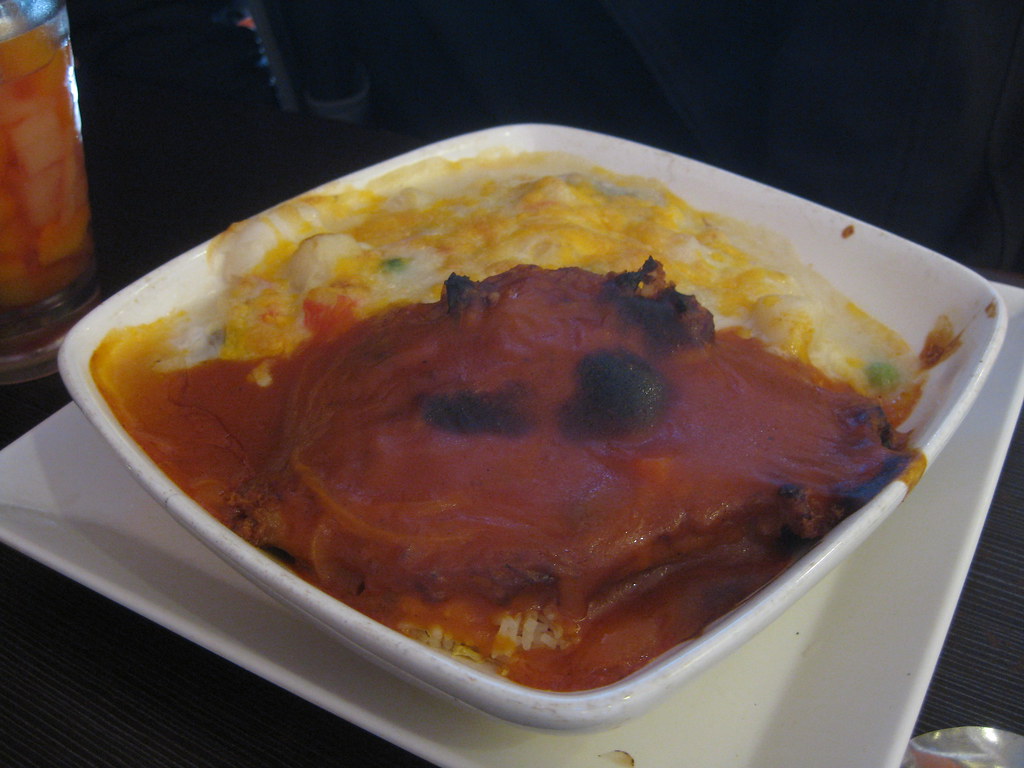
Understanding the Basics of Flavor Pairing
In the world of gastronomy, the harmony of flavors can make or break a dish. Flavor pairing is not merely a method; it’s an art form that encourages creativity, exploration, and a deeper understanding of ingredients. As we navigate through 2026, let’s delve into the science and soul behind this culinary practice.
The Science Behind Flavor Pairing
At its core, flavor pairing is based on the idea that certain ingredients complement each other due to their chemical makeup. The combination of flavors is influenced by various factors, including:
- Similarity: Ingredients that share flavor compounds often pair well together. For instance, both strawberries and tomatoes share certain volatile compounds that can create a harmonious balance.
- Contrast: Sometimes, opposites attract. Pairing sweet with savory can create a tantalizing experience. Think of the popular combination of bacon and maple syrup.
- Texture: The mouthfeel of a dish can enhance flavor perception. A crunchy texture can enhance the experience of smooth flavors, like a crisp salad paired with creamy dressing.
Global Flavor Profiles to Explore
Each culture brings its unique approach to flavor pairing. Here are some global flavor profiles that are making waves in 2026:
- Asian Influences: Ingredients such as miso, ginger, and lemongrass can be combined with unexpected elements like chocolate and citrus for creative desserts.
- Middle Eastern Spice Blends: Spices like za’atar and harissa are being used in innovative ways, from marinades to ice creams, offering an exciting fusion of flavors.
- Latin Vibrance: The use of fresh herbs like cilantro and bold ingredients like chiles can transform traditional dishes into new culinary adventures.
Experimenting with Unusual Combinations
As the culinary landscape evolves, so do our tastes. 2026 is all about breaking boundaries and trying unconventional pairings. Here are some ideas to inspire your next culinary experiment:
Unexpected Sweet and Savory Pairings
The sweet-savory dichotomy continues to captivate chefs and home cooks alike. Here are some exciting pairings to consider:
- Caramelized Pears & Blue Cheese: The sweetness of the pears against the pungency of blue cheese creates a delightful contrast.
- Chocolate & Chili: A kick of heat enhances the richness of chocolate, making for an exciting dessert option.
- Bacon & Maple Butter: This classic combination continues to shine, offering a satisfying flavor explosion.
Savory Treats in Sweet Dishes
Why not get adventurous and incorporate savory ingredients into your desserts? Here are some ideas:
- Rosemary Infused Lemonade: The earthiness of rosemary adds depth to the bright notes of lemon.
- Basil Ice Cream: The herbaceous notes of basil can elevate the sweetness of creamy ice cream.
- Olive Oil Cake: The fruity notes of high-quality olive oil can create a moist and flavorful cake experience.
Tools for Flavor Exploration
To foster your culinary creativity, having the right tools and resources can make a significant difference. Here are some essentials to consider:
Flavor Pairing Apps and Resources
Several apps and websites can help you discover new pairs based on established flavor profiles. Some popular ones include:
- FlavorWiki: An interactive platform that allows users to input ingredients and find complementary flavors.
- Umami Flavor Pairing: This guide focuses on the umami taste and offers suggestions for pairing based on this fundamental flavor.
Culinary Courses and Workshops
Participating in workshops designed around flavor pairing can provide practical skills and insights. Look for local cooking schools or online courses that focus on:
- Culinary creativity
- Global cuisines
- Advanced flavor theory
The Role of Personal Experience in Flavor Pairing
While science plays a crucial role in flavor pairing, personal experience should not be underestimated. Here are ways to cultivate your unique flavor palette:
Keep a Flavor Journal
Documenting your culinary experiences can help track what combinations work for you. Note down:
- Your favorite pairings
- Experiments that didn’t go as planned
- Notes on textures and aromas
Taste Testing with Friends
Invite friends over for a taste-testing night. Challenge each other to create dishes with specific ingredients and provide feedback. This collaborative environment can spark new ideas and deepen your appreciation of flavors.
Conclusion: Embrace the Journey of Flavor
As we look ahead in 2026, the exploration of flavor pairing offers endless possibilities for creativity and innovation in the culinary world. By understanding the science, cultural influences, and personal preferences, you can elevate your cooking and savor each dish in a new way. Remember, the kitchen is your canvas—paint it with flavors!