The Future of Flavor: How Global Influences are Shaping Culinary Trends in 2026
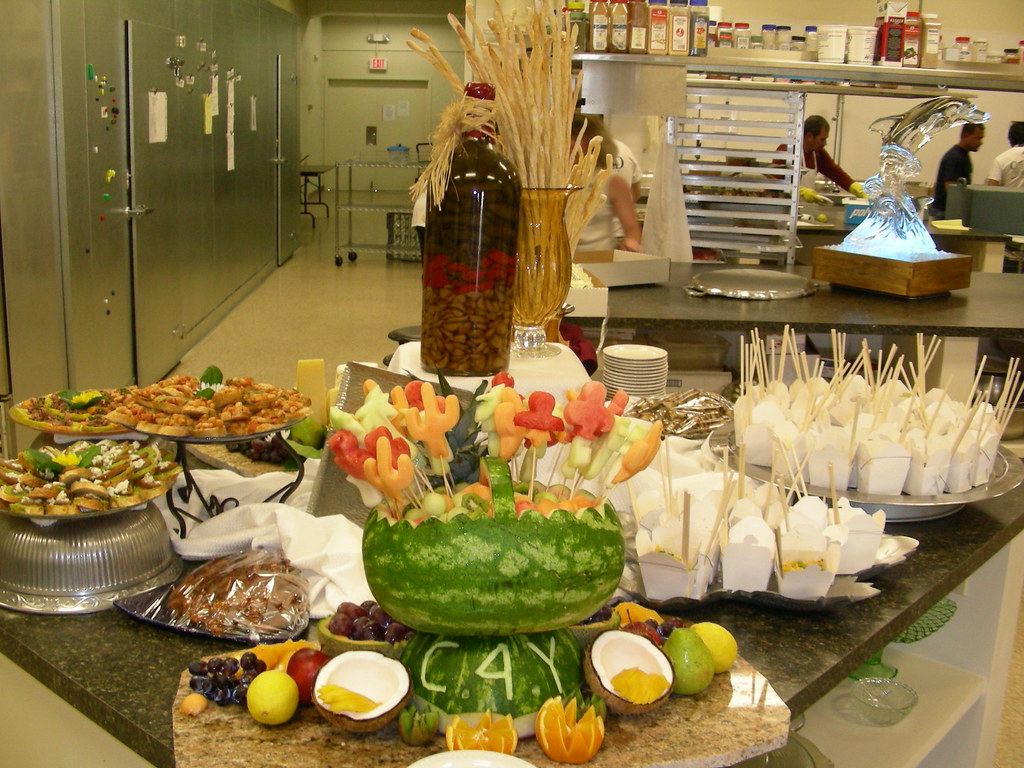
The Future of Flavor: A Global Perspective
As we step into 2026, the culinary world is witnessing a remarkable shift driven by global influences and a growing appreciation for diverse flavors. Food has always been a reflection of culture, and today, diners are more adventurous than ever, eager to explore new palates and culinary experiences from around the world.
Embracing Global Ingredients
One of the most significant trends in 2026 is the embrace of global ingredients. Chefs and home cooks alike are sourcing exotic spices, fruits, and vegetables that were once hard to find in local markets. This trend not only elevates dishes but also introduces consumers to flavors they might never have encountered before.
- Exotic Spices: Ingredients like sumac, za’atar, and gochugaru are making their way into everyday cooking, adding depth and complexity to traditional recipes.
- Unique Fruits and Vegetables: From jackfruit and rambutan to Romanesco and purple sweet potatoes, these ingredients are becoming staples in modern kitchens.
Fusion Cuisine: A Culinary Crossroads
Fusion cuisine continues to be a prominent theme in culinary trends. However, in 2026, it has evolved from the typical blending of two cultures to a more nuanced approach. Chefs are taking inspiration from multiple cultures to create dishes that are not only innovative but also respectful of their origins.
- Multi-Cultural Menus: Restaurants are curating dishes that reflect a blend of flavors, such as Korean tacos or Japanese-Italian pasta, to attract diverse audiences.
- Cross-Cultural Collaboration: Chefs from various backgrounds are collaborating to bring new interpretations of beloved dishes, fostering an environment of creativity and respect.
The Role of Technology in Culinary Exploration
Technology is dramatically influencing how we experience food in 2026. From mobile apps that connect users with local farmers to platforms that facilitate virtual cooking classes, the culinary landscape is becoming more interconnected.
- Smart Cooking Devices: Equipment like smart ovens and pressure cookers are allowing home cooks to experiment with global recipes with ease.
- Online Food Communities: Social media platforms and forums have opened up avenues for sharing recipes, tips, and cultural stories behind various dishes.
Plant-Based and Alternative Proteins
The plant-based movement continues to thrive, with 2026 seeing a rise in innovative products that mimic traditional meat and dairy. This trend is not only about health but also about sustainability and ethical eating.
- Alternative Proteins: Products made from pea protein, cell-cultured meat, and insects are gaining popularity, catering to diverse dietary preferences.
- Culinary Creativity: Chefs are developing imaginative dishes that highlight these alternatives, ensuring that they are both tasty and visually appealing.
Community-Centric Dining
The concept of community-centric dining is gaining traction in 2026. More restaurants are focusing on building relationships with local producers and emphasizing farm-to-table practices.
- Local Sourcing: Establishments are prioritizing locally sourced ingredients, creating menus that change with the seasons and supporting their local economies.
- Community Events: Restaurants and local farmers are collaborating on events that educate consumers about sourcing and cooking with fresh ingredients.
Health and Wellness on the Menu
Health-conscious eating is evolving beyond diet restrictions. Diners are looking for options that promote overall wellness while still being delicious.
- Nutrient-Dense Foods: Menus are increasingly featuring nutrient-dense foods such as quinoa, sweet potatoes, and various greens that contribute to a balanced diet.
- Mindful Cooking: Many chefs are incorporating ingredients that support mental and physical health, like adaptogens and functional mushrooms.
The Experience of Dining
In 2026, dining is not just about the food; it’s about the entire experience. Restaurants are creating atmospheres that engage the senses and encourage diners to savor their meals.
- Interactive Elements: Many dining experiences incorporate interactive elements, such as build-your-own dishes, where diners can customize their meals.
- Ambiance and Atmosphere: Restaurants are investing in design and ambiance to create memorable dining experiences that resonate with guests long after they leave.
Conclusion
The culinary landscape in 2026 is a vibrant tapestry woven from global influences, technological advancements, and a commitment to community and health. As consumers continue to seek new experiences and flavors, the future of food promises to be more exciting and diverse than ever. Whether you’re a seasoned chef or a home cook, embracing these trends will undoubtedly enhance your culinary journey.